How Billie Eilish and REVERB Are Changing Concert Culture


Born from a shared love for music and environmental awareness, REVERB is an American-based nonprofit organization founded in 2004 by Lauren Sullivan and Adam Gardner. With the simple goal of making the music industry more sustainable.
While concerts and tours can feed the souls of countless fans, they can also create a lot of environmental waste through travel emissions, single-use plastic waste, food waste, and large-scale energy use. REVERB is providing opportunities that make sustainability tangible for both concerned artists and fans.
The 2024–2025 Hit Me Hard and Soft tour by Billie Eilish has been described by National Geographic as a major moment for sustainable touring. Eilish has been working with REVERB since 2019. Given her strong emphasis on sustainability, it is no surprise she partnered with them once again during her biggest tour yet. She has consistently supported climate-related causes, especially through Support + Feed , a nonprofit founded by her mother, Maggie Baird. The organization aims to combat the climate and food insecurity crisis through a plant-based system.
Through one of REVERB’s signature campaigns, #ROCKNREFILL, which includes water refill stations, in this case doubling as album merch, guests were encouraged to use reusable bottles, eliminating more than 135,000 single-use plastics in the process.
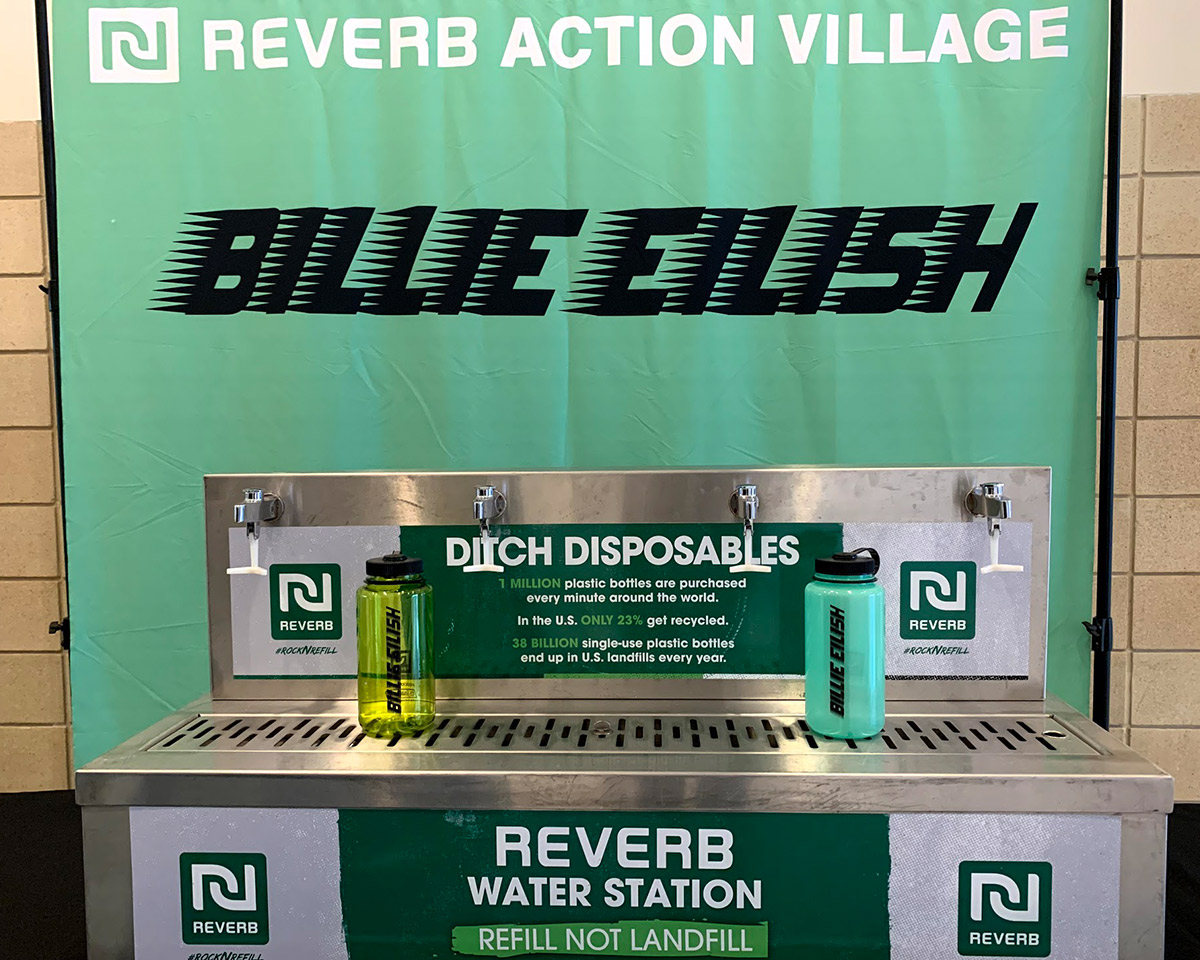
The tour included “Eco-Action Villages” at all stops of the tour. It was here that fans could interact with environmental and social justice organizations, both international and local. Across the tour, fans completed over 200,000 climate and equity actions. This included pledges to reduce waste or adopt a plant-based diet. According to the tour report, all stops of the tour included plant-based meal equivalents along with food rescue programs that redirected excess food waste. Eilish herself is vegan, making this detail feel like a natural part of her brand.

This tour sets an example for all artists that sustainability is possible through initiative and proper partnerships. It proves that caring about the planet can be done without jeopardizing the production value of the event.


Comments